
Bushman of the Makgadikgadi Pans – An Unforgettable African Experience at Jack’s Camp
As a travel blogger seeking a true African experience, a journey was taken to the heart of Botswana. The vast salt flats of the Makgadikgadi Pans were finally witnessed. Moreover, an extraordinary encounter with the Bushman of the was experienced during an unforgettable African safari. A stay was arranged at Jack’s Camp. The landscape was stretched endlessly beneath a bright African sky. Consequently, the stage was perfectly set for a cultural journey unlike any other.
This is the story of meeting the Bushman of the Makgadikgadi Pans.

Furthermore, a way of life that has endured for thousands of years was revealed in the most powerful way.
Where are the Makgadikgadi Pans?
The Makgadikgadi Pans are located in northeastern Botswana. They are considered among the largest salt flats in the world. In fact, they were once part of an ancient super-lake that covered much of southern Africa. The pans are found within the Kalahari Basin. The environment is harsh and arid for much of the year. However, during the rainy season, the landscape is transformed into a shimmering paradise that attracts wildlife in great numbers. An African safari here feels different. Silence dominates the horizon. As a result, every footstep and every whisper of wind is deeply felt. The remoteness of the region was immediately sensed. The isolation was embraced.
Therefore, it became clear why the Bushman have been able to preserve their culture in this stark wilderness.
Meeting the Bushman
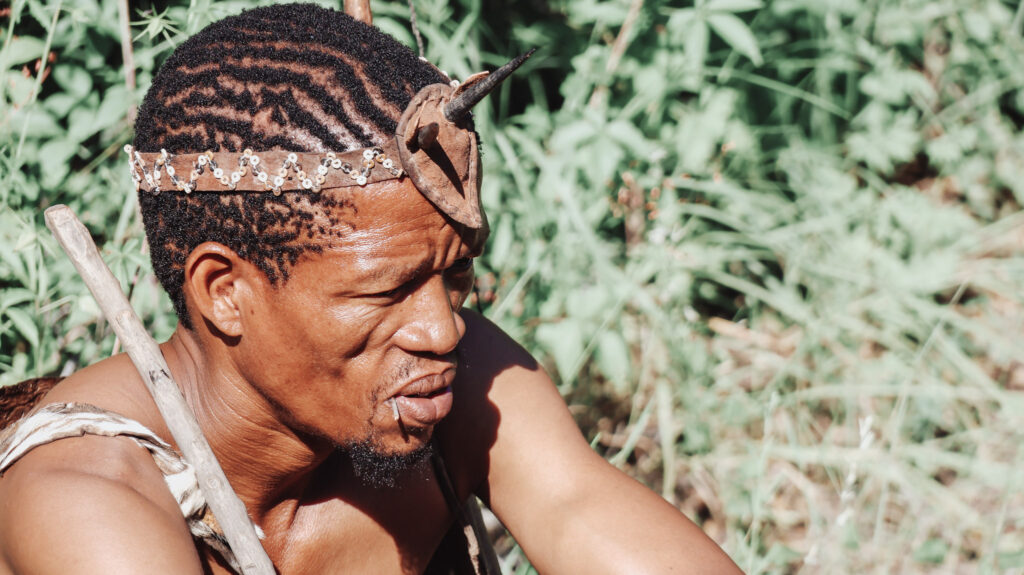
A guided excursion was arranged from Jack’s Camp. A small group was driven across the dusty pans at sunrise. Soon after, a cluster of figures was seen waiting beneath scattered trees. The Bushmen of the Makgadikgadi Pans were introduced with warm smiles. Their presence was gentle yet powerful. Moreover, their eyes carried stories of survival and wisdom.
An interpreter was present during the visit. He was studious and deeply respectful of their heritage. Consequently, every explanation was translated with care and pride. Their language was heard. The rhythmic clicks were spoken with ease and precision. Furthermore, laughter was shared as attempts were made to imitate the sounds. They were very vocal and expressive. As a result, the entire meeting felt alive with energy and authenticity. It was not staged. It was not artificial. Instead, a genuine African experience was offered through openness and storytelling.

Learning the Cultural Ways of How the Bushmen Live Independently in the Bush
Time was spent walking with the Bushman. The bush was entered slowly and respectfully. Meanwhile, every plant and footprint was observed with astonishing awareness. Their independence was explained in detail. Survival skills have been passed down through countless generations. In fact, it is believed that the Bushmen, also known as the San people, have lived in southern Africa for over 20,000 years. Life is lived in harmony with nature. Only what is needed is taken from the land. Therefore, sustainability is not a concept but an instinct. Their homes are simple structures. Grass and branches are used to create dome-shaped shelters. However, these shelters are temporary and are moved when resources shift. Community is valued deeply. Decisions are shared among the group. Moreover, knowledge is collectively owned rather than individually controlled.

Children are taught through observation. Stories are used as educational tools. Consequently, cultural identity is preserved without written language.
How They Live
Daily life is structured around the rhythms of nature. Food gathering is done in the early morning hours. Meanwhile, the heat of midday is avoided.
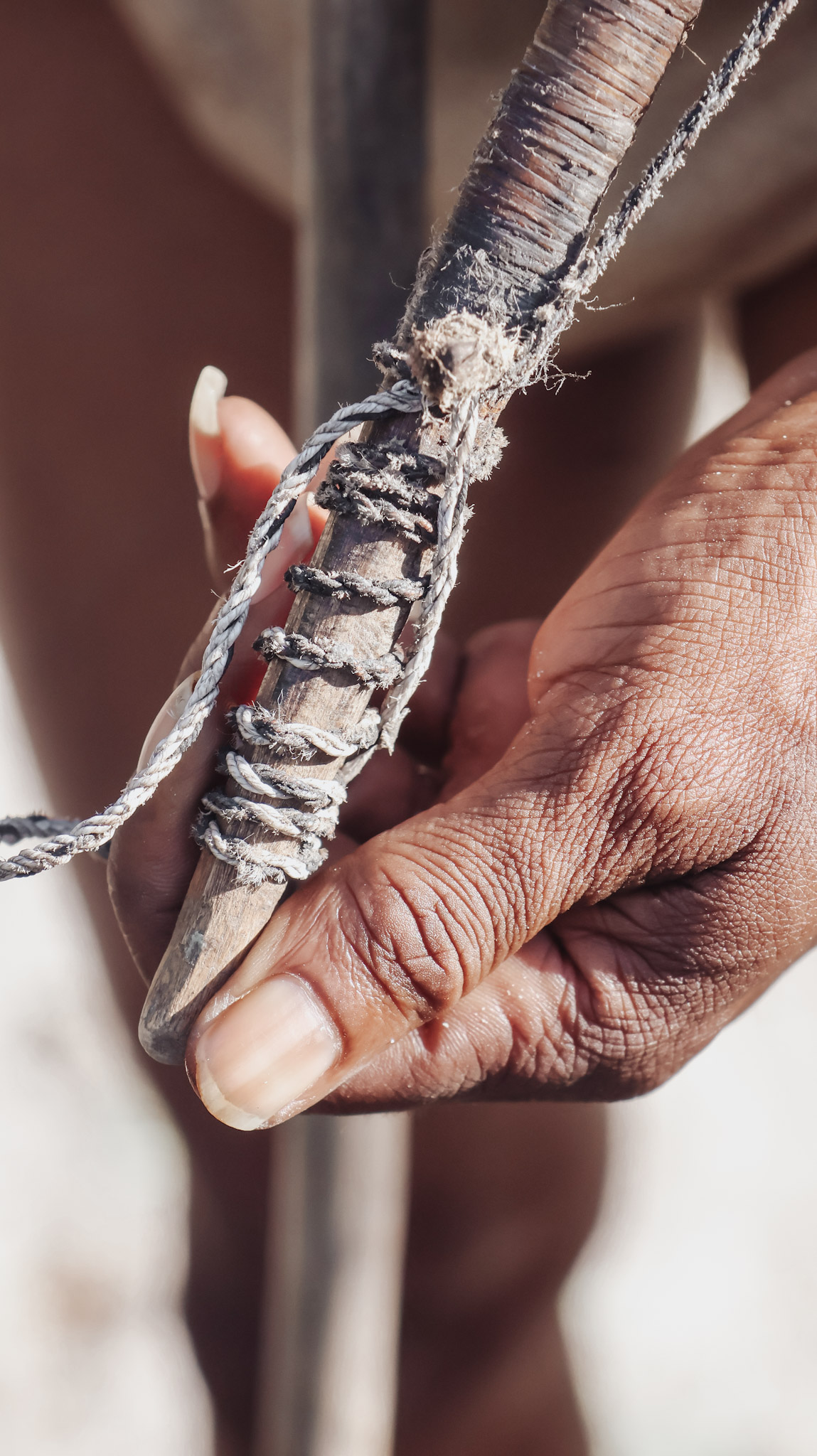
Water sources are carefully remembered. Underground tubers are used for hydration during dry months. In addition, ostrich eggshells are used to store water for later use. Possessions are minimal. Tools are handmade from bone, wood, and stone. Therefore, mobility is maintained at all times.
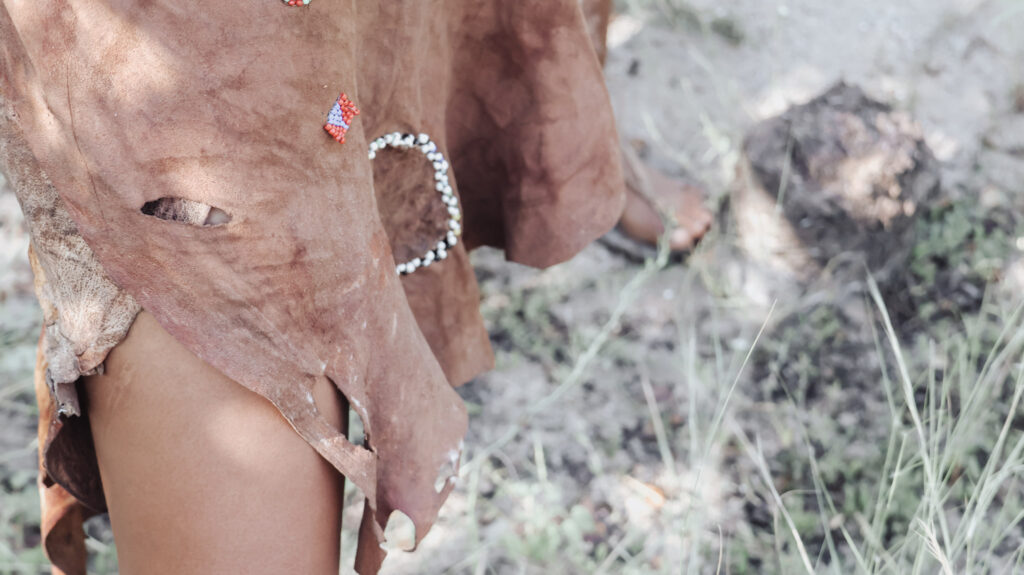
Clothing is practical and suited to the climate. Animal hides are worn by the Bushmen. However, modern fabrics have also been introduced through trade and contact. Adornment is meaningful. Beaded jewellery is crafted with patience and pride. Moreover, each piece can reflect status, age, or personal story. It was explained that laughter is essential in their culture. Conflict is diffused through humour.
As a result, social harmony is maintained with remarkable effectiveness.
How They Hunt
Hunting practices were described in vivid detail. Bows and poisoned arrows are traditionally used. The poison is derived from beetle larvae and is carefully prepared.
Tracking skills were demonstrated in the sand. The faintest marks were interpreted like open books. Furthermore, the age, size, and speed of an animal could be identified from subtle clues. Persistence hunting is practised. An animal may be followed for hours under the sun. Consequently, exhaustion eventually slows the prey. Respect is shown after a successful hunt. Gratitude is expressed to the spirit of the animal. Therefore, hunting is seen as a spiritual exchange rather than domination.

Every part of the animal is used. Meat is shared equally among the group. In addition, bones and hides are repurposed into tools and clothing.
What Medicinal Benefits Are Gained from Roots and Trees?
Traditional medicine is deeply understood. The bush is regarded as a living pharmacy. Meanwhile, specific plants are recognised for precise healing properties.
The hoodia plant was discussed as an appetite suppressant. Certain roots are used to treat stomach ailments. Furthermore, bark infusions can reduce fever and inflammation.
Devil’s claw is known for its anti-inflammatory benefits. Leaves from particular shrubs are applied to wounds. Consequently, infection is prevented without synthetic medicine. Knowledge of these remedies is protected. Elders pass information to chosen apprentices. Therefore, ancient healing wisdom continues to survive in modern times. It was astonishing to witness how a simple twig could become a toothbrush. Aromatic resins were burned for cleansing rituals.

In addition, crushed leaves were inhaled for respiratory relief.
How Long Have They Lived in This Area?
The Bushmen are considered one of the oldest continuous cultures on Earth. Archaeological evidence suggests their presence in southern Africa for tens of thousands of years. Moreover, genetic studies support their deep ancestral roots in the region.
The Makgadikgadi region has provided seasonal resources for centuries. Migration within the Kalahari has been practised according to rainfall patterns. Consequently, their survival has depended on adaptability. Colonial pressures altered their freedom of movement. Modern borders were imposed.
However, cultural resilience has allowed traditions to endure despite these challenges.
How They Make Fire
Fire-making was demonstrated during the visit. A hand drill method was used. Meanwhile, dry grass was prepared as tinder. A wooden spindle was rotated rapidly between the palms. Friction was created with steady pressure. Consequently, a small ember was formed. The ember was transferred gently into the tinder bundle. Air was blown carefully to encourage ignition. Furthermore, flames appeared within moments.

This skill was performed effortlessly. It was learned in childhood. Therefore, fire remains a symbol of continuity and survival.
What They Wear
Traditional attire was explained with pride. Animal skins are softened and shaped into garments. Meanwhile, decorative elements are added for beauty and symbolism. Women often wear leather skirts adorned with beads. Men may wear loincloths during traditional activities. Moreover, they decorate themselves with necklaces and bracelets. Modern influences are visible today. T-shirts and shorts are sometimes worn. However, ceremonial dress remains deeply respected and preserved.
Body language was expressive. Gestures were animated. Consequently, communication extended beyond spoken clicks.
A Life-Changing African Safari Experience
As a travel blogger, I have explored. Yet few moments have felt as authentic as meeting the Bushman of the Makgadikgadi Pans. Moreover, this African experience was enriched by humility and shared humanity. The translator’s passion was evident throughout the day. Stories were shared with dedication and joy. Consequently, a deeper understanding of these clever and resourceful people was gained. This encounter was not just educational. It was profoundly moving.
Therefore, it is highly recommended that every traveller include this activity during an African safari.
When staying at Jack’s Camp, this cultural visit should not be missed. It is thoughtfully organised and respectfully conducted. In addition, it offers insight that cannot be found in books. I found it to be fascinating, exciting, and incredibly fun. Their vocal language filled the air with musical clicks. As a result, memories were created that will last a lifetime. The vast silence of the Makgadikgadi Pans was left behind reluctantly. However, the wisdom of the Bushmen continues to echo long after their departure.
This was more than a safari. It was a journey into humanity’s ancient roots. Consequently, it stands as one of the greatest highlights of any African adventure.