
In this story
Let’s Talk About the Hyena
A bad reputation has long been assigned to the hyena, and I confess it was carried by me as well—quietly, unexamined, and unfairly. Words like ugly, sneaky, and scavenger had been whispered into my imagination by documentaries and campfire lore. Lions were admired, leopards were revered, and hyenas were merely tolerated.
Yet, on one unforgettable journey into the bush, that old story was gently dismantled. It was done not with drama, but with laughter—quite literally.
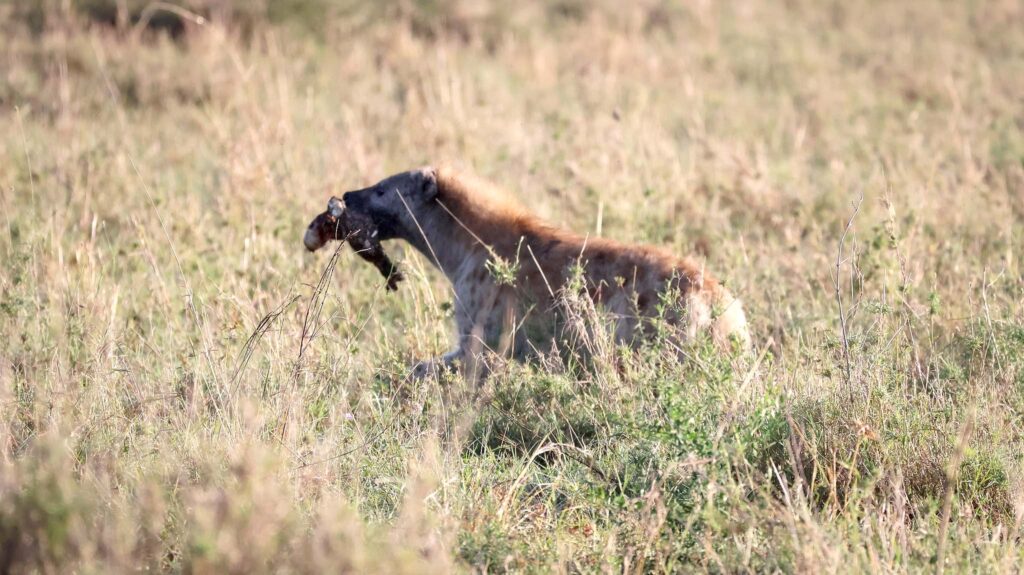
The hyena’s laughter echoed through the night, and a new respect was born.
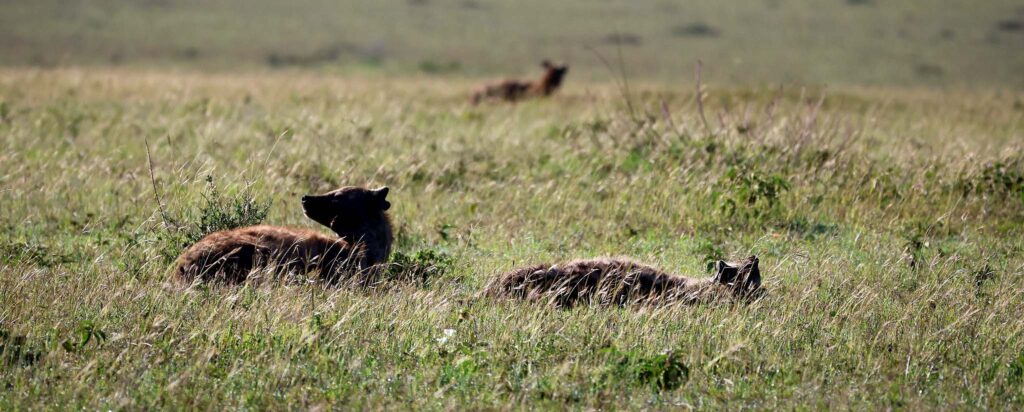
The first sighting was not dramatic in the cinematic sense. No chase was witnessed; no thunderous roar was heard. Instead, a clan was observed lingering at the edge of the plains, moving with an odd grace that was unexpected. Their backs sloped, their coats were patched with spots, and their faces carried expressions that seemed permanently amused. At first glance, they appeared awkward. At second glance, they appeared intelligent.
By the third, they were seen as utterly fascinating.
Moreover, time spent watching them was rewarded with insight. These animals were not skulking villains waiting to steal a meal. They were skilled hunters, social strategists, and devoted mothers.
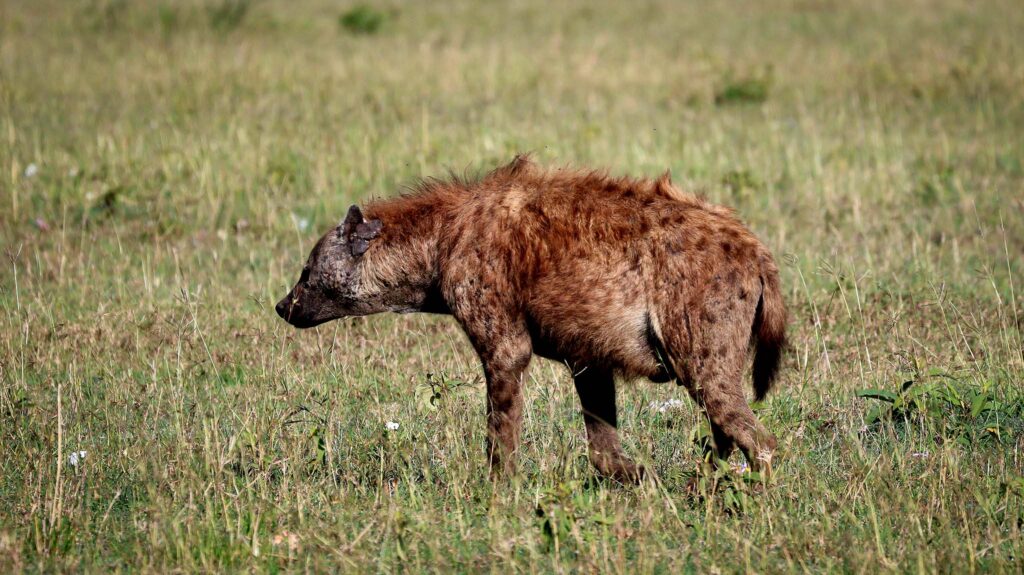
A myth was quietly unravelled, stitch by stitch, beneath the African sun.
Where Are Hyenas Found?
Hyenas are found across large swathes of Africa, and parts of the Middle East and Asia, depending on the species. Spotted hyenas, the ones most often misunderstood, are spread widely through sub-Saharan Africa. They are at home in savannas, grasslands, woodlands, and even semi-deserts.
The adaptability of the hyena has been underestimated, perhaps because it has never been flaunted.
In the bush where my encounter took place, hyenas were seen thriving alongside lions and leopards. Territory was shared, contested, and negotiated through a complex web of social cues. Rather than lurking in the shadows, hyenas were observed boldly traversing open land in daylight, their confidence unmistakable.
It was here that their presence felt earned, not borrowed.
However, what struck me most was their sense of belonging. They were not visitors to the landscape; they were architects of it. Paths were shaped by their movements, and the ecosystem was balanced by their appetites.
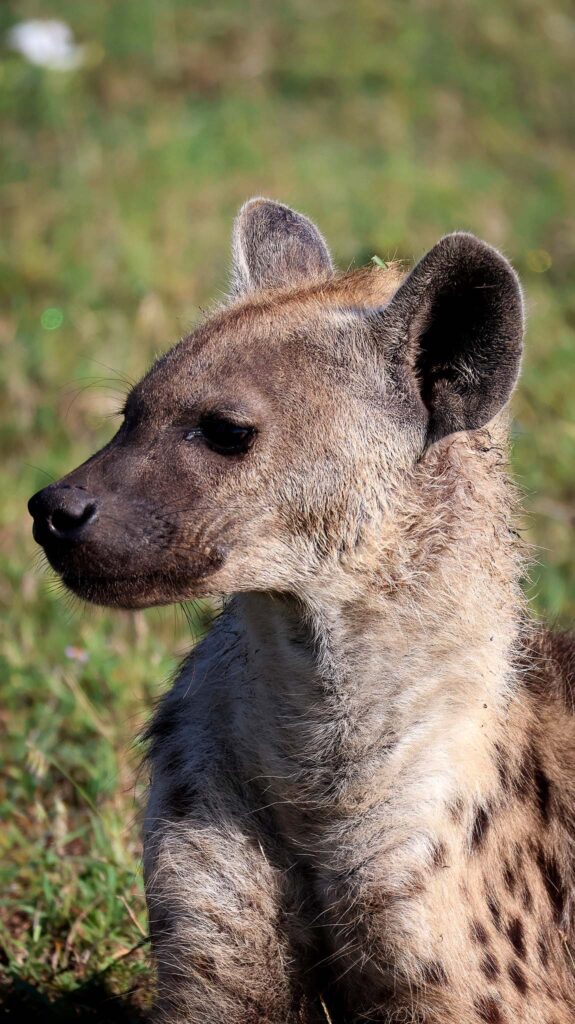
Their role was essential, whether it was appreciated or not.
How the Hyena Eats
The hyena’s dining habits have been sensationalised, often reduced to scenes of theft and scraps. While scavenging is indeed part of their skill set, it is far from the whole story. In truth, the majority of a spotted hyena’s diet is earned through hunting. Antelope, wildebeest, and zebra are pursued with endurance rather than speed, and teamwork is employed with remarkable efficiency.
Meals are eaten with enthusiasm and little ceremony. Bones are crushed with jaws so powerful they seem borrowed from myth, and nothing is wasted. Nutrients are extracted from marrow and sinew alike, leaving behind a cleanliness that benefits the land. It is not gluttony that is displayed, but practicality.
Therefore, the hyena’s reputation as a thief felt misplaced as I watched a clan feed. What was seen was cooperation, hierarchy, and an almost industrial efficiency. Food was not stolen; it was claimed, processed, and shared according to rules older than memory.

Ten Top Facts About Female Hyenas and Their Pups
Female hyenas are among the most extraordinary mothers in the animal kingdom, and their story deserves to be told clearly.
Below are ten facts that transformed my understanding forever:
Female hyenas carry their pregnancies for approximately 110 days, during which dominance within the clan is maintained.
Birth is usually given to one or two cubs, often in secluded dens dug into the earth.
Pups are born with their eyes open and teeth already erupted, a rare trait among mammals.
Dominance hierarchies begin early, and sibling rivalry is not uncommon in the den.
Milk provided by the mother is exceptionally rich, allowing cubs to grow steadily even when food is scarce.
Pups are kept in dens for several weeks, protected from predators and the wider clan.
Mothers nurse their cubs for up to 18 months, far longer than many large carnivores.
Communal dens are eventually used, where cubs learn social skills and clan etiquette.
Female pups inherit their mother’s rank, securing their future status within the clan.
Maternal bonds are strong, and recognition between mother and cub is maintained through vocalisations.
Meanwhile, a den was stumbled upon during my travels, quite by accident. The ground dipped slightly, and from its shelter came the soft, curious sounds of life just beginning. Pups were glimpsed—dark, fuzzy, and full of attitude.
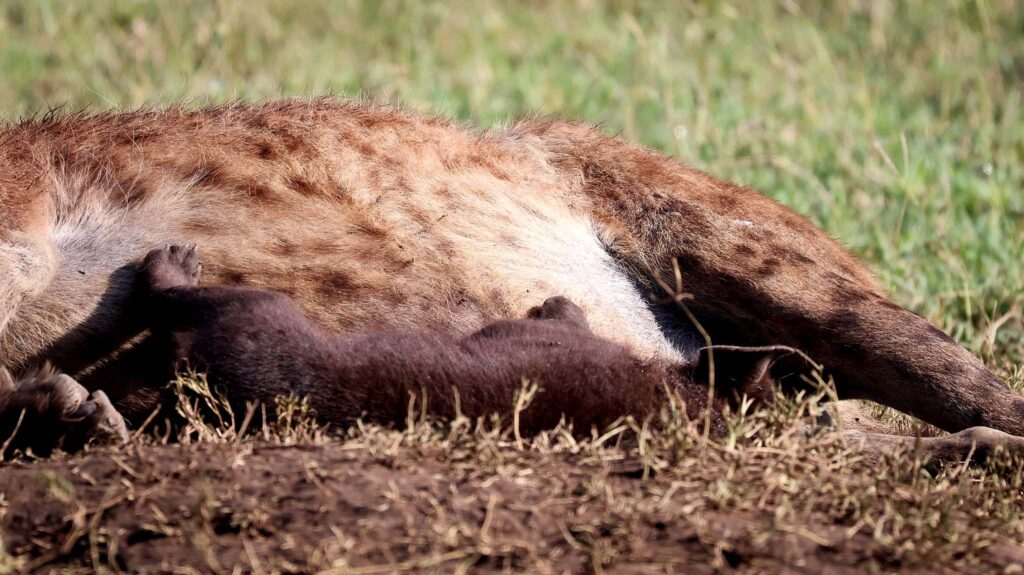
Their mother watched calmly, her authority unquestioned.
An Encounter That Changed Everything
Time was spent quietly observing the den from a respectful distance. The mother’s patience was remarkable, her vigilance constant. When she left to feed, another clan member lingered nearby, a silent guardian. This cooperation was not expected, yet it was given freely.
As hours passed, familiarity replaced fear. The hyenas’ odd beauty began to reveal itself. Their laughter, often mocked, was understood as communication—complex, expressive, and vital.
Each whoop and giggle carried meaning, binding the clan together.
Consequently, admiration replaced judgement. These animals were not caricatures of villainy; they were survivors, engineers of balance, and keepers of ancient social codes.
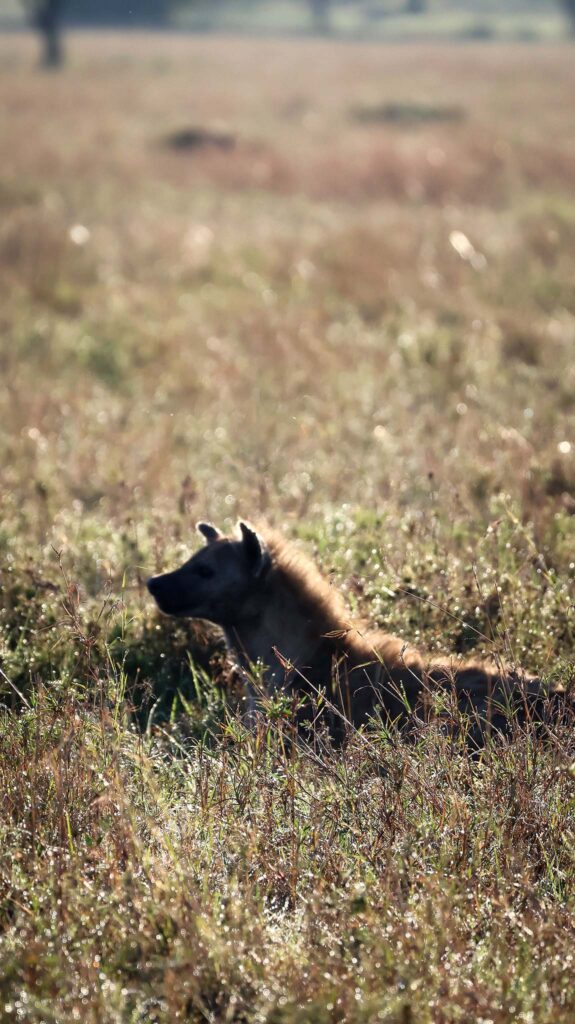
Respect was not forced; it was earned.
Nights Filled with Laughter
When night fell, the bush transformed. From within the canvas walls of the tented camp, sounds drifted in like music. Lions roared in the distance; insects hummed and then came the laughter. The hyenas announced themselves to the darkness, their calls rising and falling in eerie harmony.
Rather than fear, joy was felt. Each laugh reminded me of the day’s discoveries, of the den, the cubs, and the watchful mother.
It was a sound that stitched the night together, making sleep sweeter and dreams wilder. Another incredible Safari in Kenya.
Finally, that laughter became a symbol—not of menace, but of memory. It echoed happiness, curiosity, and a connection to a wild world that had generously shared its secrets.
A Witty Conclusion for a Wonderful Misfit
Hyenas may never grace the covers of glossy wildlife magazines, and perhaps that is their charm. They are beautiful in a sideways sort of way, strange without apology, and vital beyond measure. A bad reputation has been unfairly pinned to them, but it can be gently removed by anyone willing to look twice.
After time spent with these animals, respect was not optional—it was inevitable. The hyena was revealed not as a villain, but as a vital thread in the fabric of the bush. And each night, as their laughter rings out across the plains, it serves as a reminder that joy often comes disguised.
So, here’s to the hyena: laughed at, laughed with, and finally, laughed alongside. In that unforgettable sound, a happy time in the bush will forever be heard.


Written by
Travel blogger, photographer and Africa travel specialist based in Cape Town, South Africa. More about me