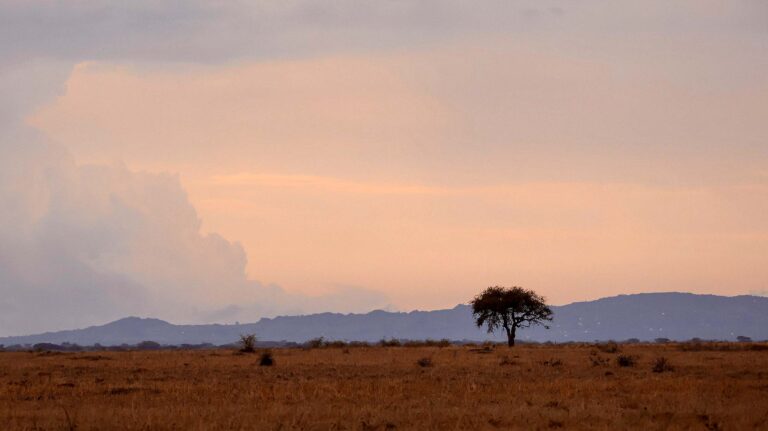
Hyena on Safari
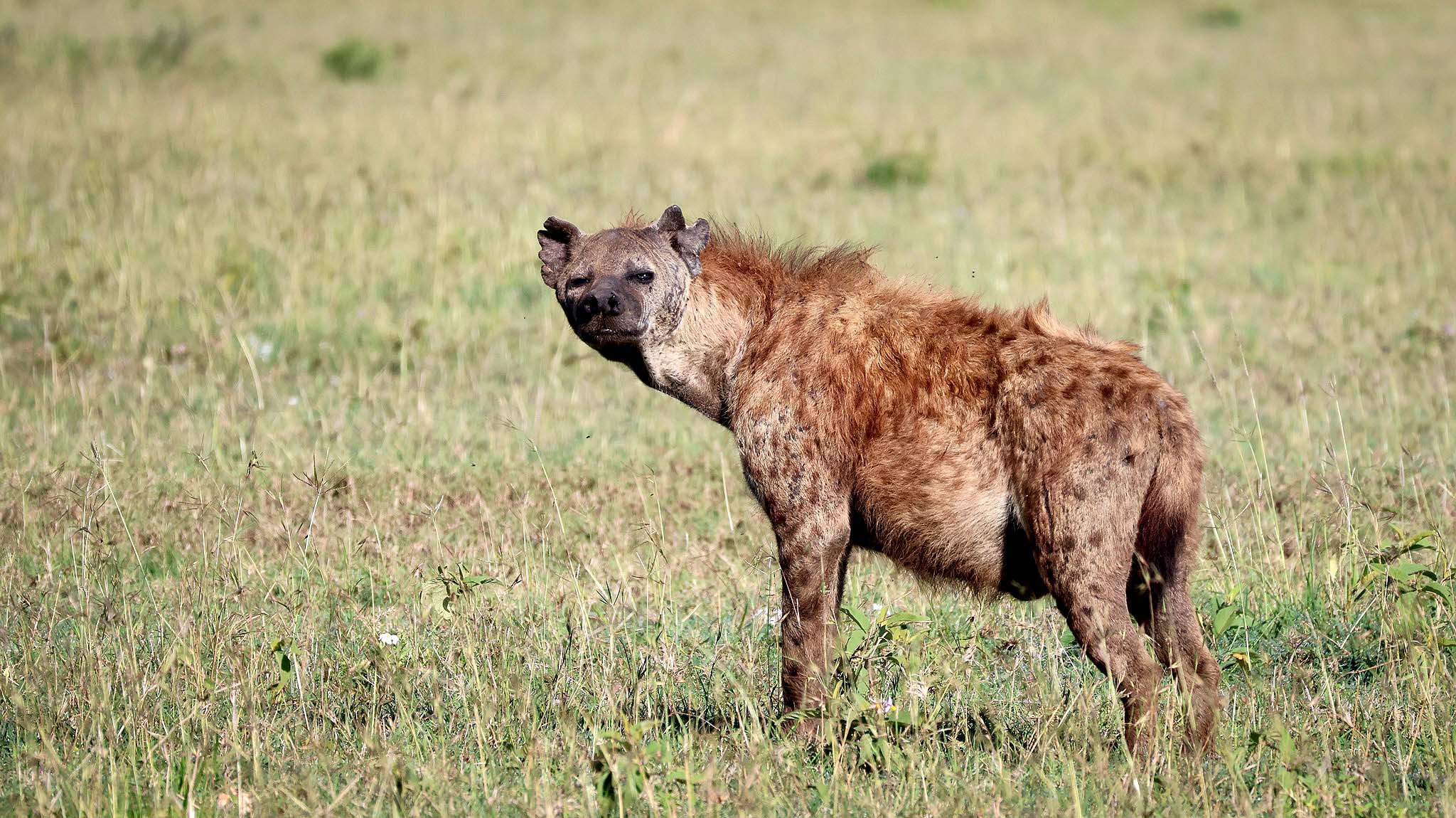
Let’s Talk About the Hyena on Safari
For years, a poor reputation had been assigned to the hyena, and it was quietly accepted by me without question. On every Safari brochure and wildlife documentary, lions were celebrated, leopards were admired, and hyenas were portrayed as ugly opportunists lurking on the edges. They were described as scavengers that stole food and laughed in the darkness. Yet, during an unforgettable Safari through Kenya and Tanzania, that old narrative was gently undone.
My first real encounter with hyenas happened not during a dramatic hunt, but in the stillness of the African plains. A clan was observed moving confidently through open ground in broad daylight. Their sloping backs, powerful jaws, and curious expressions appeared strange at first glance. However, as more time was spent watching them, intelligence and purpose were revealed. What had once been seen as awkward was now understood as perfectly adapted.
Moreover, familiarity bred admiration. These animals were not hiding from the landscape; they belonged to it. On Safari in Kenya and Tanzania, it was made clear that the hyena is not a background character in the bush, but one of its most important players.
Where Are Hyenas Found?
Hyenas are widely distributed across Africa, with spotted hyenas being especially common in Kenya and Tanzania. They thrive in savannas, grasslands, woodlands, and even semi-arid regions. Their ability to adapt to different environments has ensured their survival where other predators struggle.
During my Safari travels, hyenas were encountered in national parks and remote conservancies alike. They were seen sharing territories with lions and leopards, negotiating space through social structure rather than constant conflict. Contrary to popular belief, hyenas were often the most confident predators on the landscape, moving boldly and without hesitation.
However, what impressed me most was how naturally they fitted into the ecosystem. The land was shaped by their movement, and balance was maintained through their feeding habits. On Safari in Tanzania, it became obvious that the hyena is not merely present—it is essential.
How the Hyena Eats
The feeding habits of the hyena have long been misunderstood. While scavenging is part of their behaviour, most of their meals are earned through hunting. On Safari, this truth was witnessed firsthand. Hyenas were seen working together, using endurance and coordination rather than speed to bring down prey such as wildebeest and antelope.
Their powerful jaws are capable of crushing bone, allowing nearly every part of a carcass to be consumed. Nothing is wasted, and the environment benefits from this efficiency. The idea that hyenas survive only on scraps was quickly proven false under the African sun.
Therefore, respect was inevitably developed. Rather than stealing, hyenas were seen claiming what they had hunted or competing fairly with other predators. In both Kenya and Tanzania, the hyena stood out as one of the most effective carnivores on Safari.
Ten Fascinating Facts About Female Hyenas and Their Pups
Female hyenas are remarkable animals, and their role within the clan is unlike that of any other large predator. After spending time near a den, these facts became especially meaningful:
Female hyenas carry their young for about 110 days.
Birth usually takes place in a secluded underground den.
Cubs are born with their eyes open and teeth already present.
Strong sibling rivalry can begin within days of birth.
Mothers produce extremely rich milk to support rapid growth.
Cubs remain hidden in dens during their earliest weeks.
Nursing can continue for up to 18 months.
Communal dens are later shared with other clan members.
Female cubs inherit their mother’s social rank.
Strong vocal recognition exists between mothers and pups.
Meanwhile, a den was unexpectedly discovered during a Safari in Kenya. Small, dark cubs were seen peering out from the earth, already displaying bold personalities. Their mother stood nearby, calm and alert, radiating authority. Hyena on safari are special.
A Safari Encounter That Changed My Perspective
Time was spent quietly observing the den, ensuring minimal disturbance. The patience of the mother was striking, and her attentiveness never wavered. When she left to feed, another hyena lingered close by, suggesting cooperation rather than chaos within the clan.
As the hours passed, the so-called ugliness of the hyena faded. Their movements appeared purposeful, their communication complex. Each sound carried meaning, from soft grunts to sharp whoops. These were not random noises, but the language of survival.
Consequently, a deep respect was formed. The hyena was no longer a misunderstood scavenger, but a symbol of resilience and intelligence. On Safari in Tanzania, that lesson felt especially profound.
Nights Filled With Hyena Laughter
As night fell over the tented camps, the bush came alive. From inside the canvas walls, sounds drifted in—crickets chirping, lions roaring in the distance, and then the unmistakable laughter of the hyenas. Their calls echoed across the plains, rising and falling like wild music.
Rather than fear, comfort was felt. That laughter became a reminder of the day’s encounters, the den with cubs, and the powerful matriarch watching over them. On Safari, these nighttime sounds are unforgettable.
Finally, the laughing hyena became a symbol of joy rather than menace. It marked a happy time in the bush, one that will forever be associated with Kenya and Tanzania.
A Witty Conclusion for a Beautiful Misfit
The hyena may never win a beauty contest, but beauty was never the point. These animals are strange, intelligent, and vital to the African ecosystem. A bad reputation has been unfairly earned, yet it can be undone with one honest Safari experience.
After spending time with hyenas in Kenya and Tanzania, admiration replaced judgement. They were revealed as skilled hunters, devoted mothers, and masters of survival. And each night, as their laughter echoes through the dark, it serves as a joyful reminder that the wild often hides its wonders behind the unexpected.
In the end, the hyena does not need approval. It simply needs to be seen—and once it is, it will never be forgotten.
More from Kenya
See the whole collection