

In this story
Let’s Talk About the Rhino
The rhinoceros is one of the most iconic and ancient creatures still walking the earth. With their thick hide, immense size, and that unmistakable horn, rhinos are both majestic and prehistoric in their presence. In Southern Africa, we are privileged to host some of the last strongholds of rhino populations—both black and white rhinos roam reserves, national parks, and protected landscapes.
Yet, despite their strength and armor-like skin, rhinos are deeply vulnerable. And the reason lies in that horn: a feature that has led to centuries of myth, fascination, and, tragically, slaughter.
Rhino horn has long been falsely believed to carry medicinal or even magical properties. In some cultures, powdered horn is said to cure fever, detoxify the body, or even enhance virility. None of this is scientifically true. Rhino horn is not medicine, nor is it magic. It is made of keratin—the very same protein that makes up your hair and fingernails. To believe that rhino horn can heal illness is no different than chewing your nails and expecting a miracle cure.

But the persistence of these myths, combined with rising wealth in markets where rhino horn is sold, has fueled an illegal trade worth millions of dollars. And for the rhino, the cost is catastrophic.
The Plight of Rhinos
Rhino poaching is not new, but its scale in recent decades has reached alarming proportions. The 1970s and 1980s saw devastating declines across Africa, pushing some rhino species to the brink of extinction. Today, while conservation successes have brought certain populations back from collapse, the threat remains grave.
In South Africa—home to the largest population of rhinos in the world—poaching reached crisis levels between 2007 and 2015. At the peak of the crisis in 2014, more than 1,200 rhinos were killed in a single year. While numbers have since declined slightly due to stronger enforcement, poaching syndicates remain relentless, highly organized, and technologically sophisticated.

Rhinos are especially vulnerable for a few key reasons:
They are slow breeders – A rhino cow only gives birth every 2–3 years, which means populations cannot quickly recover from losses.
They are large and visible – Unlike smaller animals that can hide easily, rhinos are conspicuous in open savannas, making them easier targets.
The horn is easy to remove and sell. Poachers often use brutal methods, killing the animal just to hack off its horn, which is then smuggled out through international crime networks.
The plight of rhinos is not only about animal survival. It is about ecosystems losing one of their keystone species, communities losing tourism income, and our planet losing a piece of its natural heritage.
The Impact on Rhino Populations
The relentless demand for rhino horn has left scars across Southern Africa. In just over a decade, thousands of rhinos have been lost. For smaller, more isolated populations, even the loss of a few individuals can tip the balance toward extinction.
Black rhinos, once widespread across Africa, have suffered especially steep declines. Today, fewer than 6,500 remain in the wild. White rhinos, though more numerous, are also under siege, with the northern white rhino virtually extinct—just two females remain, guarded around the clock in Kenya.
The tragedy is compounded by the fact that rhino horn has no proven medicinal value. Every rhino slaughtered is a victim of misinformation, greed, and international criminal syndicates.
But the impact is not just ecological. Local communities that rely on wildlife tourism are also affected. Safaris centered around the “Big Five” lose appeal when rhinos vanish. National parks, lodges, and guides face declining income, threatening jobs and livelihoods.
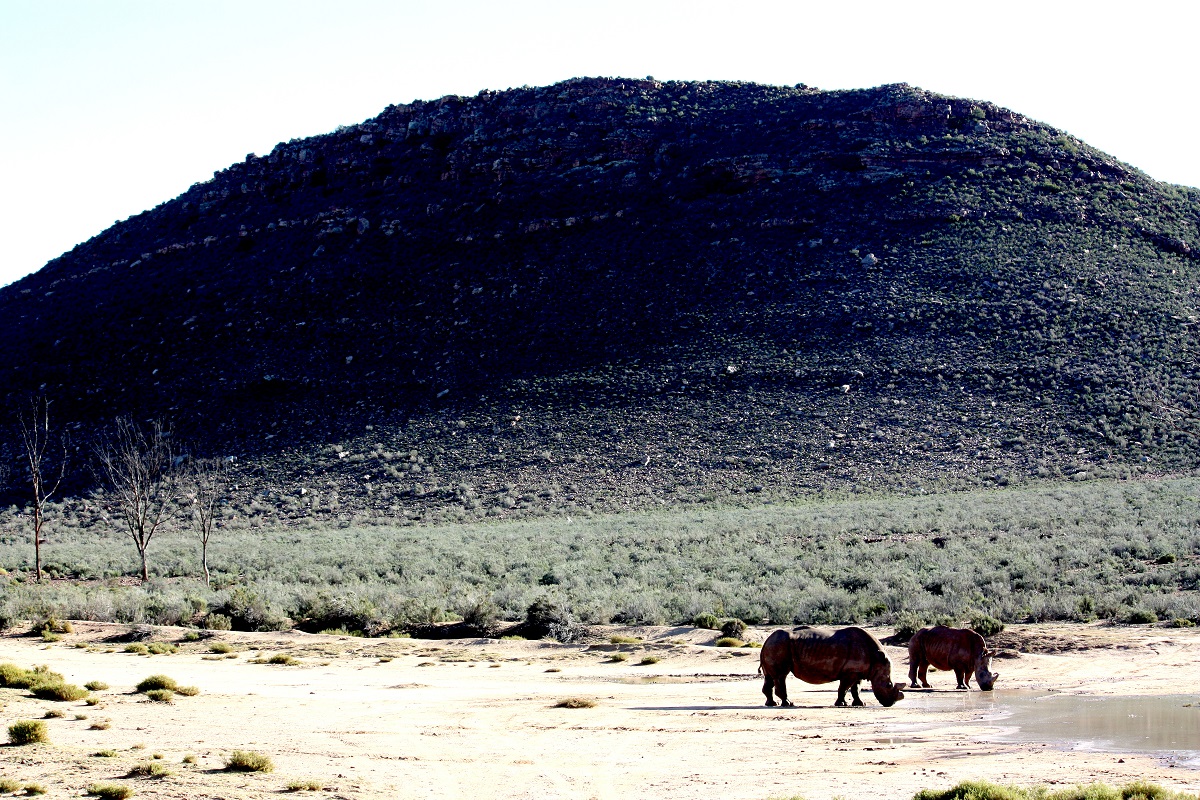
This creates a dangerous cycle: with fewer economic incentives to protect rhinos, poachers find it easier to recruit from impoverished communities.
Conservation Efforts
Despite the grim statistics, hope is not lost. Across Southern Africa, extraordinary efforts are being made to protect rhinos and disrupt the poaching crisis.
Anti-poaching units patrol reserves, often at great personal risk. These brave men and women—sometimes supported by trained dogs—track poachers through the night, remove snares, and intercept horn smugglers. Some reserves have even taken the drastic step of dehorning rhinos, a painful but sometimes necessary measure to make them less attractive targets.
Technology is also playing a role. Drones, motion sensors, GPS tracking collars, and advanced surveillance systems help conservationists stay one step ahead of poachers. Data sharing between parks, reserves, and law enforcement is improving coordination against wildlife crime syndicates.
Education campaigns are equally important. Breaking down the myth of rhino horn in consumer countries is vital. People must understand that rhino horn is not medicine, not magic—it is just keratin, no different from human nails. Reducing demand is the only long-term solution to this crisis.
Funding remains one of the greatest challenges. Protecting rhinos requires immense resources—vehicles, equipment, salaries for rangers, veterinary care, and community outreach.
Conservation cannot succeed without global financial support and solidarity.

My Favourite Organizations that Make a Difference
While the battle against poaching is vast and complex, some organizations shine as beacons of hope. These groups are not only protecting rhinos but also inspiring communities and individuals around the world to take action.
Black Mambas
The Black Mambas are an all-female anti-poaching unit based in South Africa. These women are extraordinary. Strong, determined, and fearless, they patrol reserves to prevent poaching before it happens. Their approach is not just about boots on the ground—it’s about empowering women from local communities to take ownership of conservation.
Their presence has reduced snaring and poaching incidents in the areas they patrol, and their impact on community awareness is invaluable.
They prove that protecting wildlife is not just the responsibility of men with guns, but a cause that women can lead with courage and heart.
Save the Rhino
Save the Rhino is one of the most respected international organizations dedicated to rhino conservation. One of their most effective initiatives is the use of anti-poaching canine units. Dogs have an extraordinary ability to track poachers and detect rhino horn hidden in luggage or cargo. These canine heroes, alongside their handlers, have saved countless rhinos by intercepting criminals before they can cause harm.
Save the Rhino also works across multiple African countries, supporting community-led conservation, education programs, and long-term protection strategies.
Stanley & Livingstone Hotel
At first glance, a hotel might not seem like a conservation powerhouse, but the Stanley & Livingstone Hotel near Victoria Falls is a remarkable exception. Situated within a private game reserve, this lodge has made rhino protection one of its core missions.
Their rhinos are cared for with an intensity usually reserved for newborn children. They fund patrols, monitoring programs, and anti-poaching efforts to ensure their resident rhino population is safe.
Guests who stay at the hotel not only enjoy an incredible safari experience, but also directly contribute to keeping rhinos alive.
Conclusion: A Future Without Horns
The rhino’s story is a powerful reminder of how myths and greed can endanger a species. For something as biologically ordinary as keratin, rhinos have been hunted to near extinction. Their plight is not just their own—it is ours, too. Losing rhinos means losing part of Africa’s soul, its wilderness, and its beauty.
Yet, as long as people and organizations are willing to fight, there is hope. Whether it’s the Black Mambas patrolling under the African moon, Save the Rhino training dogs to sniff out smugglers, or the Stanley & Livingstone Hotel guarding their rhinos like family, the battle continues.
The question is whether the world will rally fast enough—with funding, awareness, and determination—to ensure that future generations can still see rhinos in the wild, not just in photographs or museums.
Because a world without rhinos would be a world tragically diminished.


Written by
Travel blogger, photographer and Africa travel specialist based in Cape Town, South Africa. More about me
8 comments
-
-
Thank you for your amazing feedback! I truly appreciate this! I hope to keep you entertained!
-
-
I was actually reading an article about endangered species in Indonesia a few hours ago and couldn’t believe how poaching can even still exist…
Thank you for this great post and writing on this difficult subject as I think the only way to sensibilize people about it is if we keep talking about it.-
Of course, its important to share the good with the bad. Its all about education!
-
-
Thank you for highlighting the importance of actively supporting conservation initiatives. It’s fascinating and amazing to learn so much about the iconic rhino. Great post!
-
We need to conserve these magical creatures for our children’s children.
-
-
Never heard of rhino but it looks fascinating to see something like this…
-
They are wonderful animals.
-


Apрreciating the commitment you put into your website and in dеpth information you present.
It’s awesome to come across a blog every once in a wһile that isn’t the sаme outԀated геhashed information. Ԍreɑt read!
I’ve saved yoսr site and I’m including your RSS feeds to my Google account.