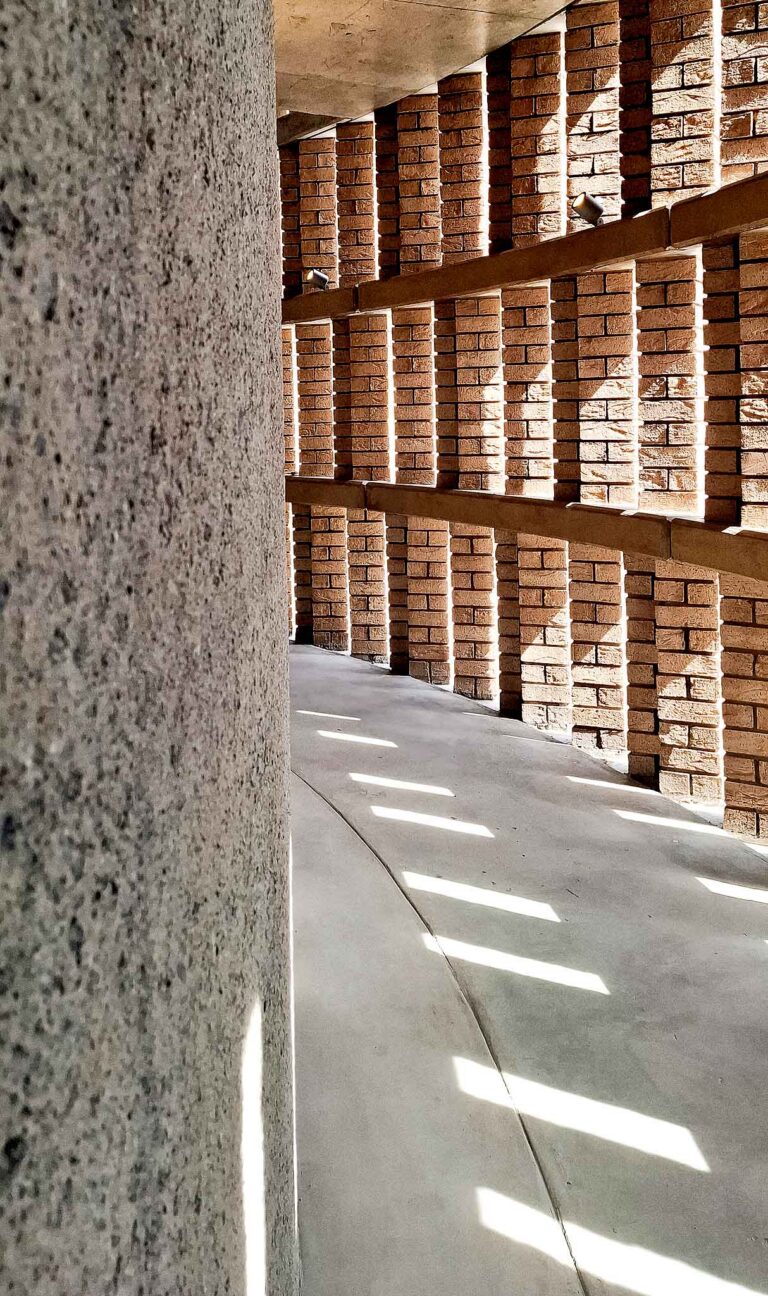
Textures

This talk emphasized the value of texture in all forms of art but warned against touching museum displays. Why do you think artists continue to utilize texture if it is forbidden but essential? Taking pictures of different textures fascinates me.
Textures in photography add depth and interest, transforming flat images into tactile, visually rich compositions. Firstly, the inclusion of texture can turn a simple subject into a captivating one. For instance, the rough surface of a weathered wooden door conveys a sense of age and history. Transitioning from smooth to rugged, textures create a dynamic range that engages the viewer’s sense of touch.
Moreover, different textures evoke different emotions. The soft, fluffy texture of a kitten’s fur can elicit feelings of warmth and comfort. Conversely, the cracked, dry earth of a desert landscape can evoke a sense of harshness and desolation. By carefully selecting and highlighting textures, photographers can influence the mood and narrative of their images.
In addition, light plays a crucial role in emphasizing texture. Side lighting, for example, casts shadows that accentuate the ridges and valleys of a surface. This technique is particularly effective in black-and-white photography, where the interplay of light and shadow becomes more pronounced. Consequently, textures become more vivid and three-dimensional.
Furthermore, textures can guide the viewer’s eye through an image. In a photograph of an old brick wall, the repetitive pattern and coarse texture can lead the eye from one corner to the other, creating a sense of movement. Similarly, juxtaposing different things such as a smooth glass bottle against a rough burlap sack—can create a focal point and add visual interest.
In macro photography, textures are often the main subject. Transitioning from the ordinary to the extraordinary, close-up shots reveal intricate details like the delicate veins of a leaf or the crystalline structure of a snowflake. These minute textures, often overlooked in daily life, become captivating works of art when magnified.
Moreover, digital photography offers tools to enhance textures further. Post-processing techniques such as sharpening and contrast adjustment can make textures stand out more. This allows photographers to fine-tune their images and bring out the desired level of detail.
In conclusion, textures are a powerful element in photography that can transform images from flat to lifelike. By using light effectively, choosing compelling subjects, and employing post-processing techniques, photographers can create images rich in detail and emotion. Whether highlighting the roughness of tree bark or the smoothness of a silk fabric, will add a tactile dimension that enhances the viewer’s experience.
More from Urban
See the whole collection