
Where do you find Makgadikgadi Salt Pans
The Makgadikgadi Salt Pans are found deep within the heart of Botswana’s Kalahari, a place where vastness is felt more than seen. This surreal landscape is considered one of the largest salt flats in the world, stretching endlessly across the horizon. Interestingly, it is believed that this area was once part of an ancient super-lake that slowly evaporated over thousands of years.
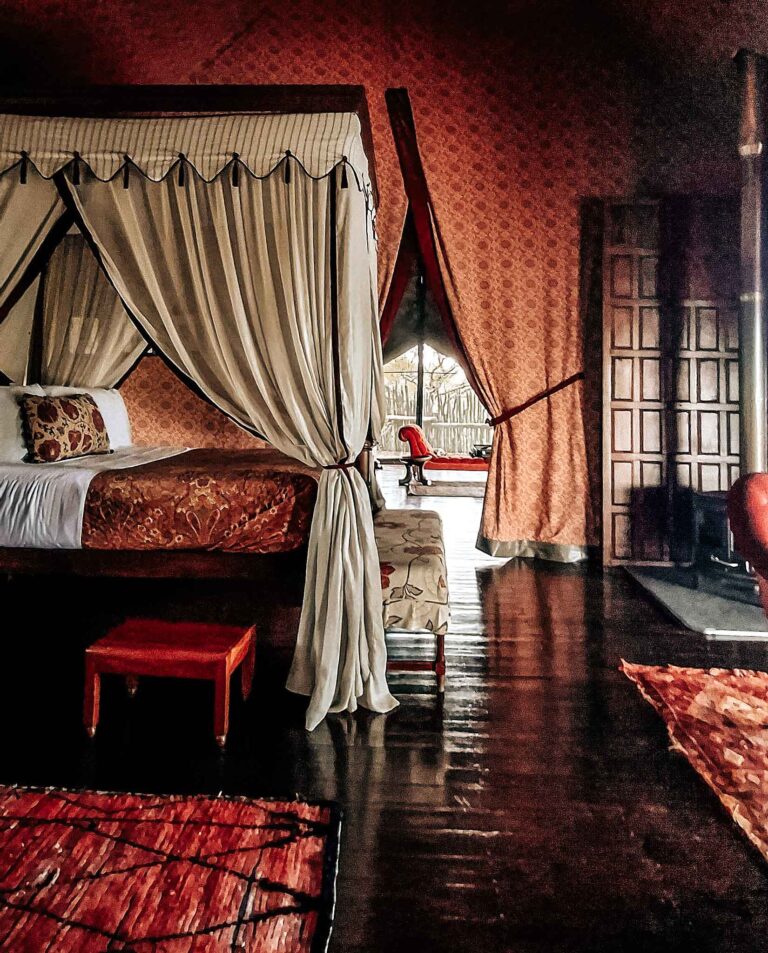
A few nights were recently spent at Jack’s Camp, nestled right in the middle of the Makgadikgadi Salt Pans, where time seems to slow down. The experience was wrapped in a quiet kind of magic, where silence becomes part of the scenery. As a result, a deep appreciation for this untouched wilderness was effortlessly formed.
Zebra Migration
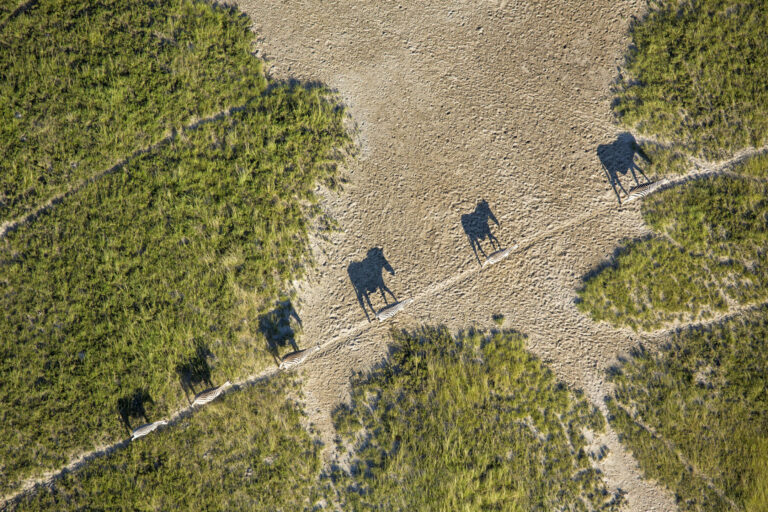
One of the most spectacular natural events here is the zebra migration, often overlooked in favor of its more famous East African counterpart. Thousands upon thousands of zebras move across the Makgadikgadi Salt Pans in search of fresh grazing and water. Remarkably, this migration is considered the second-largest in Africa, yet it remains one of the least crowded to witness.
The journey is driven by seasonal rains, which transform the dry pans into grass-filled feeding grounds. Zebras are seen traveling in massive herds, their stripes creating a mesmerizing illusion as they move in unison. Consequently, wildlife photography opportunities are nothing short of extraordinary, with every frame telling a story of survival and instinct.
Animals of the Makgadikgadi Salt Pans
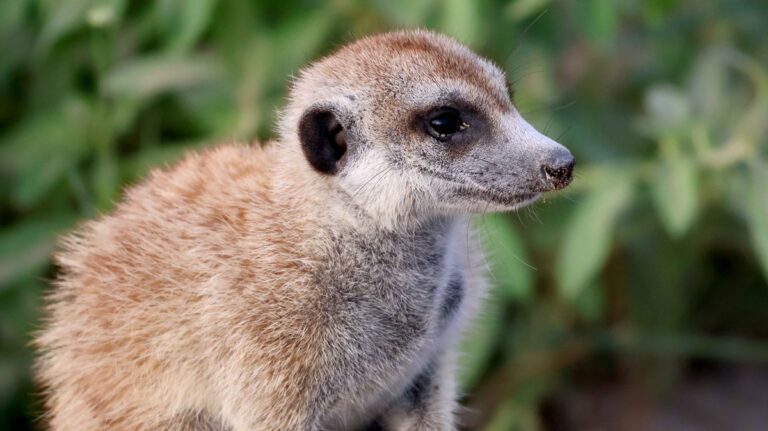
While the pans may appear barren at first glance, a surprising abundance of wildlife is supported here. Game drives often reveal animals such as meerkats, springbok, wildebeest, and even predators like lions and cheetahs. In addition, the famous brown hyena is frequently spotted, adding a rare highlight to any safari experience.
Birdlife is equally impressive, especially during the wet season when migratory species arrive in large numbers. The ecosystem is delicately balanced, yet it thrives in ways that feel almost improbable. Therefore, each sighting feels like a small miracle in this seemingly harsh environment.
Sunsets and Sunrises
The Makgadikgadi Salt Pans are known for their dramatic sunrises and sunsets, which paint the sky in breathtaking hues. Soft pinks, fiery oranges, and deep purples are reflected across the white crust of the pans, creating a mirror-like effect. Undeniably, the landscape is transformed into a dreamlike canvas during these moments.
The openness of the terrain allows light to travel uninterrupted, enhancing every color and shadow. Even the stillness seems to glow as the sun dips below the horizon or rises to greet the day. As a result, it becomes impossible not to pause and simply absorb the beauty of it all.
Makgadikgadi Salt Pans
The salt pans themselves are the remnants of a prehistoric lake that once covered much of northern Botswana. Over time, evaporation left behind a flat, mineral-rich crust that now defines the region. Essentially, these pans are vast expanses of compacted salt, appearing almost otherworldly in their simplicity.
During the dry season, the ground is hard and cracked, stretching endlessly in all directions. However, when the rains arrive, shallow المياه pools are formed, briefly bringing life back to the pans. Consequently, flamingos are drawn here in spectacular flocks, turning the landscape into a vibrant spectacle of pink and motion.
These seasonal visitors feed on algae and tiny organisms in the المياه, creating a fascinating ecological cycle. The contrast between the stark dryness and sudden bursts of life is both striking and humbling. Ultimately, the Makgadikgadi Salt Pans offer an experience that feels raw, untouched, and deeply special.
From a travel blogger’s perspective, this destination stands out as something truly unique. It is not just the landscapes or the wildlife photography opportunities that leave an impression, but the feeling that something ancient and powerful is being quietly witnessed. In conclusion, a love for this extraordinary corner of the Kalahari is almost guaranteed, and it lingers long after the journey has ended.